

THE BEST WAY TO FAST FOR GUT HEALTH has become a very controversial topic, fraught with conflicting expert opinions. And understandably so, because all bodies are different.
In this article, we’ll discuss metabolic syndrome, the science behind fasting, and we’ll explore how fasting is different for men and women, due to factors such as size, hormones, and metabolism.
And later I’ll share with you how to structure an optimal fast for YOU, even if you’re having trouble with blood sugar regulation.
Fasting has become increasingly popular in recent years, and for good reason. Fasting is an effective way to improve gut health and promote overall wellness. It can help reduce inflammation, increase energy levels, and improve digestion.


Source: Marco Verch Professional of Flickr.com
Fasting can be an effective way to reduce calorie intake, lose weight, and improve metabolic health.
Metabolic health has been defined by clinicians as meeting certain standards for 5 markers: blood sugar, triglycerides, high-density lipoprotein (HDL) cholesterol, blood pressure, and waist circumference.
In contrast, metabolic syndrome is diagnosed when a patient has any 3 of these 5:
- Waist: Men measure > 40 in. and women > 35 in.
- Triglycerides > 150 mg/dl
- HDL: Men < 40 mg/dL and women < 50 mg/dL
- Fasting glucose > l00 mg/dL
- Blood pressure: > 130 / 85 mmHg
Three of these together indicate increased risk for developing atherosclerotic cardiovascular disease, insulin resistance, and diabetes mellitus, and vascular and neurological complications such as a cerebrovascular accident.
Fasting can also help to detoxify the body, reduce the levels of toxins in the digestive system, and reduce the risk of developing leaky gut syndrome. When done correctly, fasting can be a powerful tool to help heal the gut and restore balance to the digestive system. You can follow a fasting protocol as a short-term or long-term technique.


Source: Flickr.com
START NOW: In a nutshell, this is how you can start fasting right away, anytime:
Intermittent fasting involves alternating periods of eating and not eating for a certain amount of time during the day or week. For a successful gut health fast, follow a few simple guidelines.
- HOURS: Start by setting a specific time frame for fasting. You might start with a 12-hour window when you do not eat, such as 8pm to 8am.
- LAST DAILY MEAL: During your last meal of the day, eat a solid portion of protein plus fibrous vegetables.
- EATING BEFORE SLEEP: Avoid eating for 2 hours before bed.
- FASTING WINDOW: As your body adjusts to this new routine, try gradually expanding the fasting window to 16 hours.
- OPTIONAL: Some people like to give the gut a rest by fasting for one entire day each week.
- HYDRATE: Whichever fasting schedule you adopt, be sure to drink plenty of water during the day.
- AVOID: Avoid all processed and sugar-laden items.
- FOODS: Be sure to eat an array of colorful, nutrient-rich, organic fruits and vegetables that include plenty of fiber.
- SLEEP: Make sure that you get plenty of restorative sleep so that your body recovers and repairs.
By following these guidelines you’ll start a fasting experience that will vastly improve your gut health.
LET’S DIVE INTO THE BENEFITS OF INTERMITTENT FASTING TO REGULATE BLOOD SUGAR.

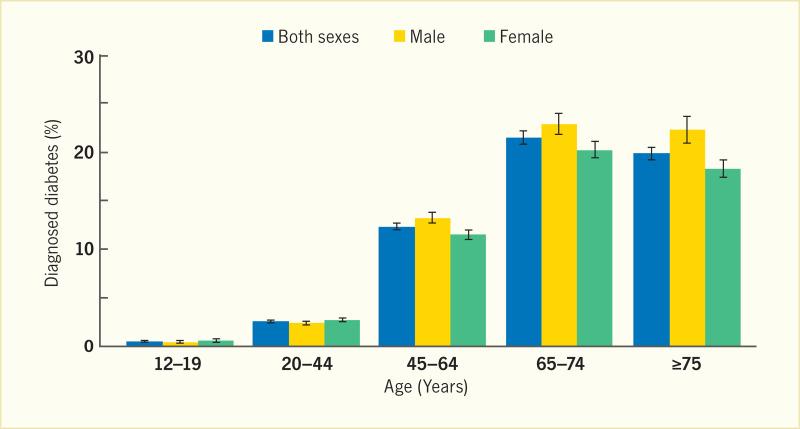
SOURCE: National Health Interview Surveys 2011–2015
Type 2 Diabetes in the US is increasing at an alarming rate. Patients usually experience dramatic increases in blood sugar, which can be dangerous, and in extreme cases, can even cause death.
Intermittent fasting has been studied in many clinical research settings, with controlled trials, to test different fasting regimes. These include ‘alternate-day fasting’ and ‘time-restricted fasting’.
The exciting results are that therapeutic fasting is successful in reversing insulin resistance. Trial participants have actually discontinued insulin medications, while maintaining healthy blood sugar levels, after only 8 weeks. Other positive outcomes include: lower inflammation markers, and lower levels of A1c, a common diabetes marker.


Source: By ready Made from Pexels.com
Alternate-day fasting has also been tested in clinical studies, usually involving one day of fasting followed by one day of calorie-restricted eating. Patients were limited to about 840 calories on their eating day. This pattern could be followed for just a few days, to a few months, in order to achieve regulated weight and blood sugar.
Published clinical study data, reported in multiple controlled trials, proves that these techniques successfully manage Type 2 Diabetes. Fasting is shown to reduce the burden on the pancreas, as well as improve blood sugar levels, lipids, and even mental health.
The next article in this series takes you on a deeper dive to understand HOW TO FEED GOOD GUT BACTERIA, with tips to BOOST YOUR MOOD AND ENERGY.
References:
https://www.levelshealth.com/blog/the-ultimate-guide-to-metabolic-health
https://www.ncbi.nlm.nih.gov/books/NBK459248/
https://www.nhlbi.nih.gov/health/metabolic-syndrome
https://www.ncbi.nlm.nih.gov/pmc/articles/PMC8653959/
https://pubmed.ncbi.nlm.nih.gov/27569118/
https://www.ncbi.nlm.nih.gov/books/NBK430900/